

price of 8mm toughened glass
Measuring Tools and Equipment An Essential Guide Measuring tools and equipment are crucial in various fields, ranging from construction and engineering to healthcare and scientific research. They enable professionals to obtain accurate measurements, ensuring that their work meets required standards and specifications. This article will explore the significance of measuring tools, the types available, and their applications across different industries. The Importance of Accurate Measurements Accurate measurements are foundational to any successful project. Whether it's determining the dimensions of a room for construction, measuring blood pressure in a healthcare setting, or conducting experiments in a laboratory, the precision of measurements can significantly impact outcomes. Poorly measured data can lead to structural issues, ineffective treatments, or flawed research findings, ultimately affecting safety, efficacy, and the bottom line. Categories of Measuring Tools Measuring tools can be broadly categorized into several types, each designed to serve specific purposes 1. Length Measurement Tools This category includes tools like rulers, tape measures, calipers, and laser distance meters. These tools are essential in construction and manufacturing, where precise dimensions are critical. For example, in carpentry, the use of a tape measure ensures that materials fit together properly, while a caliper allows for precise measurement of small components. 2. Weight and Mass Measurement Tools Equipment such as scales and balances are used to determine weight and mass. In laboratories, analytical balances offer high precision for measuring smaller quantities of substances, essential for chemical reactions and formulations. 3. Volume Measurement Tools Graduated cylinders, measuring cups, and pipettes fall into this category . These tools are widely used in cooking, chemistry, and pharmaceuticals to ensure that liquids are measured accurately to prevent errors in recipes or experiments. measuring tools and equipment 4. Temperature Measurement Tools Thermometers, thermocouples, and infrared sensors are used to measure temperature in various settings. In the food industry, accurate temperature measurement is vital for ensuring food safety, while in scientific research, precise temperature control is crucial for reproducibility. 5. Pressure Measurement Tools Pressure gauges and manometers help measure pressure in gases and liquids. These tools are essential in industries like oil and gas, where monitoring pressure is critical for safety and operational efficiency. 6. Electricity and Voltage Measurement Tools Multimeters and oscilloscopes are used in electrical engineering to measure voltage, current, and resistance. These tools are vital for troubleshooting and developing electronic circuits. Applications Across Different Industries Measuring tools are utilized in almost every industry. In construction, accurate measurements guarantee that structures are built to specifications, reducing the risk of future modifications that can be costly and time-consuming. In healthcare, medical professionals rely on precise measurements for diagnostics and treatment, such as measuring medication dosages or monitoring vital signs. In scientific research, especially in fields like chemistry and biology, the accuracy of measurements is paramount. Experiments often hinge on accurately measured reagents and conditions; hence, researchers use specialized measuring instruments to achieve reliable results. In manufacturing, quality control measures depend on accurate measurements to ensure that products meet design specifications. This process can involve everything from measuring the thickness of components to the overall dimensions of a finished product, ensuring consistency and quality. Conclusion In summary, measuring tools and equipment are indispensable across multiple sectors, highlighting their critical role in promoting accuracy and safety. As technology advances, the development of new measuring tools continues to improve precision and ease of use, enhancing productivity and outcomes in various applications. Whether you are a builder, scientist, or healthcare professional, having the right measuring tools at your disposal is essential for achieving success in your endeavors. Emphasizing the importance of accuracy in measurements not only fosters quality but also builds trust in the work being performed, ultimately leading to better outcomes in every field.
about
price of 8mm toughened glass
The Essential Role of Gate Valve Manufacturers in Industrial Applications Gate valves are a crucial component in various industrial settings, playing a vital role in the regulation and control of fluid flow. As the demand for efficient and reliable fluid control systems continues to rise, gate valve manufacturers are at the forefront of innovation and quality assurance in this essential industry. This article explores the significance of gate valve manufacturers, the challenges they face, and the future of gate valve technology. Understanding Gate Valves Gate valves are designed to provide unobstructed flow with minimal pressure drop. They are primarily used in applications where a straight-line flow of fluid is desired. Typically, gate valves are either rising stem or non-rising stem types, depending on the design of the stem that facilitates opening and closing the valve. Their primary advantage is the ability to completely seal the flow, making them ideal for on/off applications in various systems—including water supply, oil and gas, and chemical processing. The Role of Gate Valve Manufacturers Gate valve manufacturers are responsible for producing these essential devices to meet the specific needs of diverse industries. The manufacturing process involves sourcing high-quality materials—such as stainless steel, brass, bronze, and PVC—to ensure durability and performance under varying pressures and temperatures. Manufacturers not only focus on production but also engage in extensive research and development to innovate and improve gate valve designs. One of the primary responsibilities of gate valve manufacturers is to adhere to stringent industry standards and regulations. Adherence to standards such as API (American Petroleum Institute) and ASME (American Society of Mechanical Engineers) is crucial to ensure safety and reliability . This process includes rigorous testing, including pressure testing, endurance testing, and leakage testing. By ensuring that their products meet compliance requirements, manufacturers instill confidence in their customers regarding the reliability of their valves. Challenges Faced by Gate Valve Manufacturers gate valve manufacturers Despite the importance of their products, gate valve manufacturers encounter several challenges in the industry. One significant challenge is the increasing demand for custom solutions tailored to unique operational requirements. This customization often complicates manufacturing processes and may lead to longer lead times. Furthermore, the industry faces challenges related to material sourcing and supply chain disruptions. The availability of raw materials—especially in a volatile market—can impact production schedules and costs. Manufacturers must navigate these external challenges while maintaining quality and performance standards. The Future of Gate Valve Technology Innovation is key to the future of gate valve manufacturing. With advancements in materials science, manufacturers are exploring new composites and alloys that offer better strength and corrosion resistance. Additionally, the integration of smart technologies—such as IoT sensors—into gate valve designs is revolutionizing the industry. Smart gate valves can provide real-time data on flow rates, pressure, and valve status, allowing for improved monitoring and maintenance. Sustainability is another crucial factor shaping the future of gate valve manufacturing. As industries push towards greener operations, manufacturers are focusing on eco-friendly processes and materials. This includes reducing waste during production and enhancing the energy efficiency of their products. Conclusion Gate valve manufacturers play a vital role in ensuring the smooth operation of various industries by producing reliable and efficient fluid control solutions. While they face several challenges, their commitment to innovation and quality enables them to adapt and thrive in a changing market. As technology advances and the demand for customized, sustainable solutions grows, gate valve manufacturers will undoubtedly continue to evolve, delivering products that meet the needs of a dynamic industrial landscape.
-

High quality industrial productsagement

High quality industrial products
View Details -

Meet the diverse needs of customers

Meet the diverse needs of customers
View Details -

Strict quality control

Strict quality control
View Details -

Top raw materials

Top raw materials
View Details -

Trusted supplier

Trusted supplier
View Details
Our application


news and information

y type strainer filter
Understanding Y Type Strainer Filters Importance and Applications In various industrial processes, t

v guide rail
Understanding the Importance of Guide Rails A Comprehensive Overview Guide rails, often overlooked i
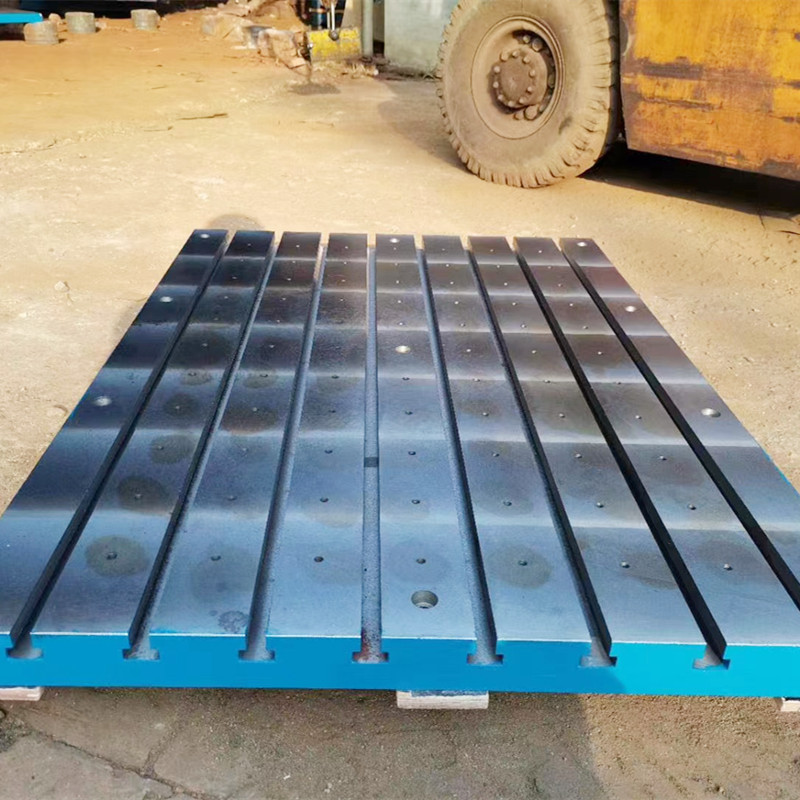
Versatile 3x4 Welding Table for Precision Projects and Durable Fabrication
3x4 welding table .
 English